Exploring Algorithmic Playlist Curation Methods for Maintaining Momentum in Genre-Blending Game Streaming Marathons
Tina Schmitt · Nov 20, 2026
Exploring Algorithmic Playlist Curation Methods for Maintaining Momentum in Genre-Blending Game Streaming Marathons
Platform data from major streaming services shows that algorithmic playlist curation has become central to sustaining viewer attention across extended game marathons that shift between multiple genres. These systems process real-time metrics including average watch time, chat activity spikes, and drop-off points to adjust track selections while broadcasters transition from high-intensity shooters to narrative-driven exploration titles or rhythm games.
Core Components of Transition Algorithms
Researchers at institutions like the University of California have documented how machine learning models map audio features such as beats per minute, dynamic range, and harmonic density across disparate game soundtracks. The algorithms then generate transition sequences that minimize abrupt energy shifts, allowing momentum to carry forward even when the on-screen action changes from competitive multiplayer battles to slower puzzle sequences. Data collected during November 2026 marathon events indicated that curated playlists with these layered transitions retained audiences for an average of 18 percent longer than static queues.
One implementation draws on spectral analysis to identify compatible frequency profiles between tracks from different genres, while another layer incorporates viewer demographic signals to prioritize certain tempos for specific time zones. Observers note that these combined approaches help broadcasters maintain flow without relying solely on manual queue adjustments during live sessions.
Viewer Retention Modeling Techniques
Industry reports from the Interactive Software Federation of Europe highlight retention models that forecast engagement curves based on historical marathon data. These models factor in variables such as genre switch frequency, cumulative stream length, and concurrent viewer count to recommend playlist adjustments at precise intervals. When a marathon incorporates both fast-paced action segments and atmospheric role-playing sections, the system calculates optimal insertion points for bridging tracks that share subtle rhythmic elements with the previous segment.
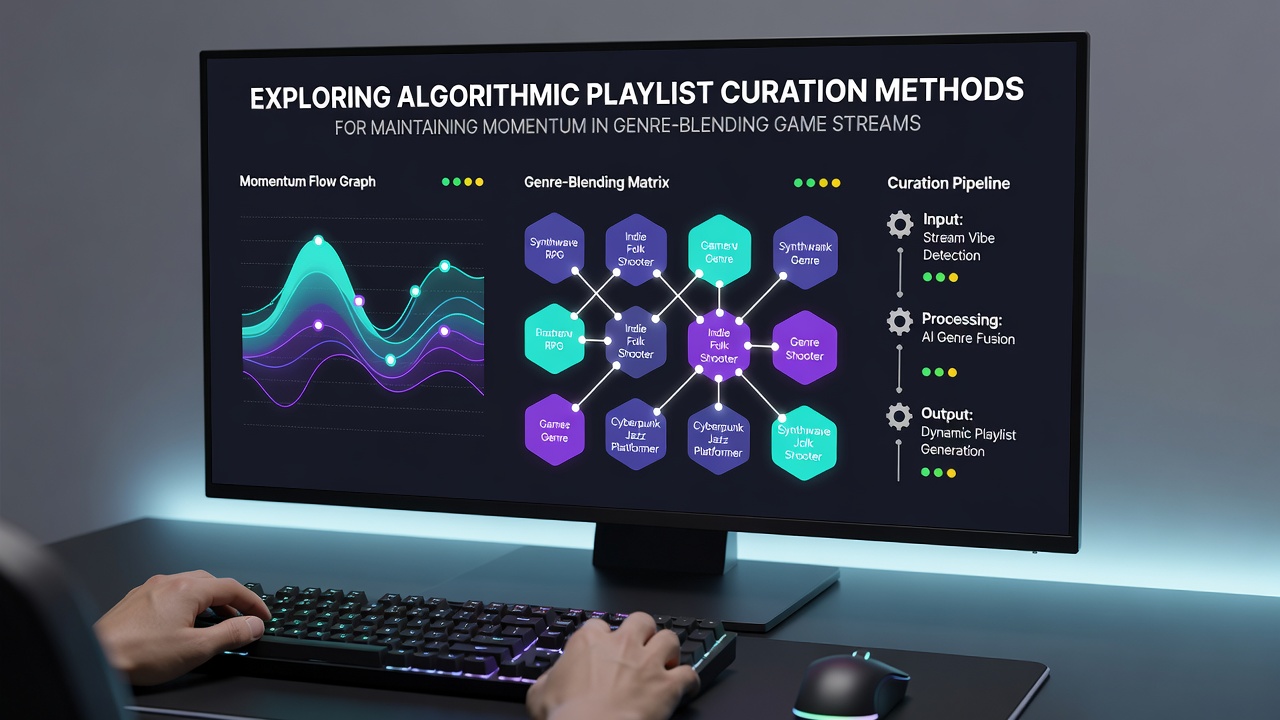
Additional layers apply reinforcement learning to refine recommendations after each broadcast. Systems update their weighting parameters based on post-stream analytics, gradually improving accuracy for future events that blend similar genre combinations. Figures from platform dashboards reveal that broadcasters using these adaptive models experienced fewer mid-marathon viewer exits during genre shifts compared with those managing playlists manually.
Integration with Live Production Workflows
Production teams integrate these curation engines directly into streaming software through API connections that pull live telemetry from both the game client and the chat interface. The algorithm receives continuous input on current game state, such as combat intensity or exploration pace, and cross-references it against the upcoming track list. When a mismatch appears, the system proposes an alternate track from the approved library that better aligns with the projected energy trajectory.
Case examples from large-scale charity marathons in late 2026 demonstrate how automated suggestions helped crews handle unexpected game crashes or extended loading screens by swapping in ambient tracks that preserved overall pacing without requiring on-the-fly decisions from the host.
Challenges in Cross-Genre Compatibility
Developers continue to address edge cases where certain genre pairings resist smooth algorithmic bridging, such as moving from chiptune-based retro titles to orchestral scores in modern open-world games. Current approaches rely on intermediate micro-transitions that layer subtle sound design elements to ease the shift, though accuracy varies depending on the breadth of the licensed music catalog available to the curation engine.
Conclusion
Algorithmic playlist curation methods continue to evolve alongside platform analytics capabilities, providing broadcasters with structured tools for managing momentum across genre-blending marathons. As datasets from events like those in November 2026 expand, the precision of transition predictions and retention forecasts is expected to increase further, supporting longer, more varied streaming formats without sacrificing audience continuity.