How Regional Weather Patterns Influence Equipment Choices for Outdoor Mobile Gaming Broadcasts in Tropical Climates
Vera Bennett · Oct 9, 2026
How Regional Weather Patterns Influence Equipment Choices for Outdoor Mobile Gaming Broadcasts in Tropical Climates
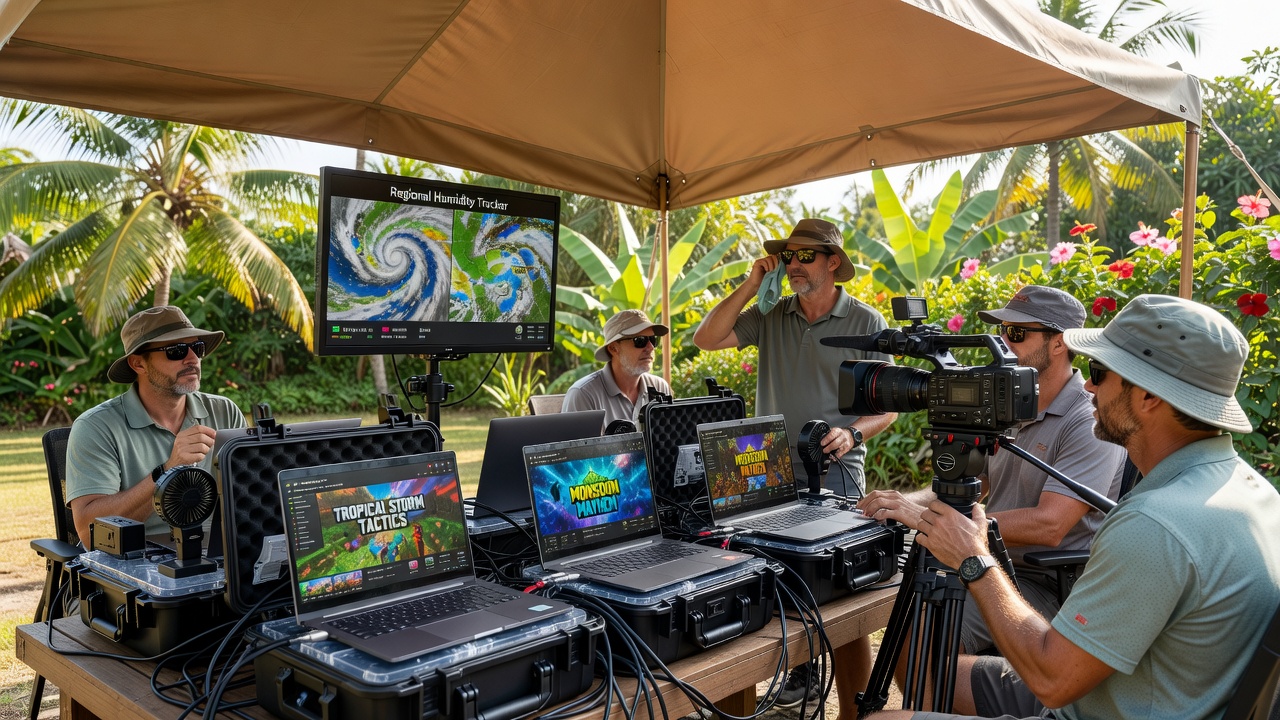
Tropical climates feature consistent high temperatures, elevated humidity levels, and frequent precipitation events that shape the technical requirements for outdoor mobile gaming broadcasts, and these patterns vary significantly across regions such as Southeast Asia, the Caribbean, and northern Australia. Broadcasters operating in these areas select gear that resists moisture ingress, manages thermal loads, and maintains signal stability amid shifting atmospheric conditions.
Core Weather Characteristics in Tropical Zones
High relative humidity often exceeds 80 percent during daytime hours while temperatures regularly climb above 30 degrees Celsius, creating environments where electronic components face accelerated wear from condensation and heat buildup. Regional variations include monsoon-driven rainfall totals that can surpass 200 millimeters in a single day across parts of Indonesia and Malaysia, whereas Caribbean locations contend with hurricane season winds that peak between June and November. Data from the Australian Bureau of Meteorology shows that northern Queensland experiences similar humidity spikes coupled with afternoon thunderstorms that disrupt wireless connections and battery performance during live sessions.
October 2026 falls within the active monsoon window for many equatorial territories, when daily rainfall frequency rises and wind patterns shift, prompting crews to prioritize sealed enclosures and redundant power systems. These conditions differ from temperate zones because the combination of heat and moisture accelerates corrosion on metal contacts and reduces the lifespan of standard lithium-ion cells without specialized protection.
Equipment Adaptations for Humidity and Heat
Transmitters and capture devices require conformal coatings or IP67-rated housings to prevent short circuits when ambient moisture condenses on circuit boards during rapid temperature drops after sunset. Mobile gaming setups commonly incorporate active cooling fans or heat sinks rated for continuous operation above 35 degrees Celsius, since processor throttling occurs quickly when internal temperatures climb without ventilation. Observers note that teams in Singapore and Bangkok frequently deploy desiccant packs inside equipment cases and schedule firmware updates that optimize power draw to match local humidity forecasts issued by national meteorological services.
Power solutions shift toward sealed lead-acid or lithium-iron-phosphate batteries housed in waterproof compartments because standard packs swell or lose capacity faster in sustained 90 percent humidity environments. Connectivity hardware includes directional antennas mounted on elevated tripods to maintain line-of-sight links despite heavy foliage and sudden downpours that scatter 5G and Wi-Fi signals. Research from the University of the South Pacific indicates that signal attenuation increases by up to 40 percent during intense tropical rain cells, leading broadcasters to maintain backup satellite uplinks configured for rapid failover.
Wind, Rain, and Structural Considerations
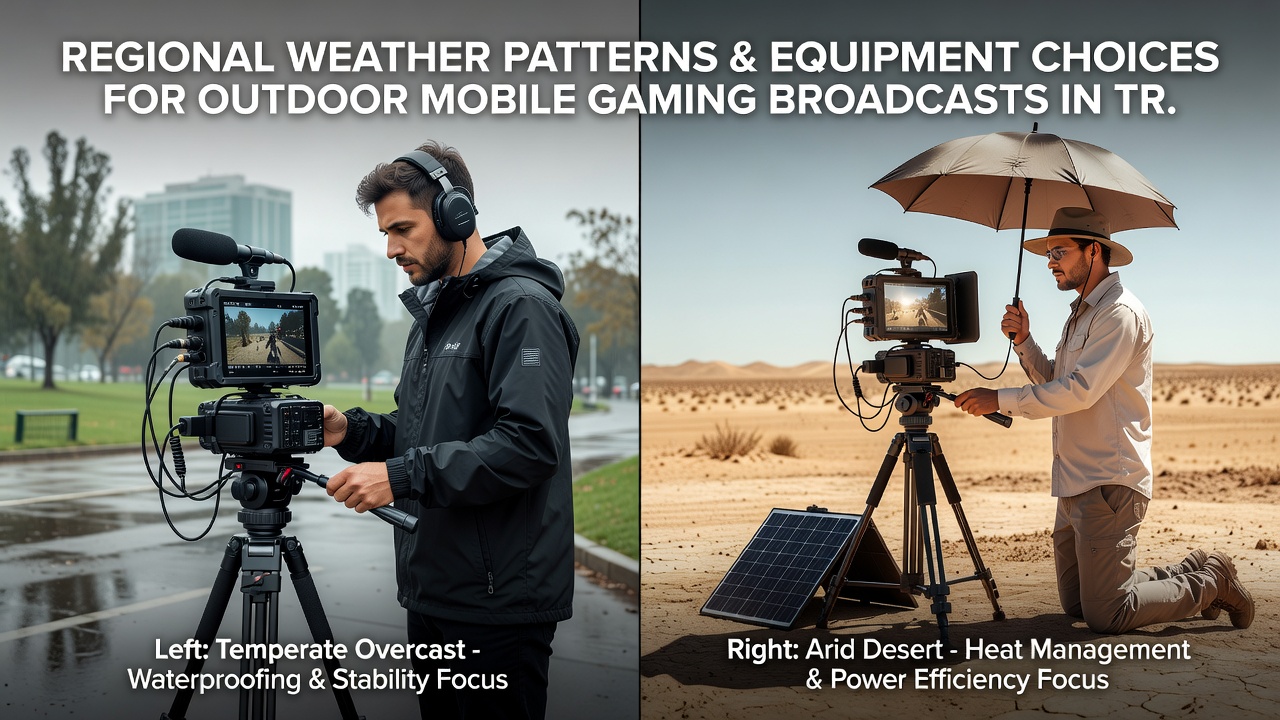
Gust fronts preceding thunderstorms reach speeds that topple lightweight tripods, so crews anchor camera rigs with sandbags or screw-in ground stakes rated for sustained loads above 50 kilometers per hour. Rain covers for microphones and lens elements use hydrophobic membranes that shed water while preserving audio clarity and image focus during extended outdoor segments. In regions such as the Philippines, where typhoon tracks frequently cross broadcast sites, modular setups allow quick disassembly and transport to sheltered locations within minutes of alert issuance from local weather agencies.
Lighting arrays for evening streams incorporate LED units with IP65 ingress protection and independent battery packs that operate independently of venue power grids prone to outages during heavy rain. Those who coordinate multi-day events in northern Australia report that elevated platforms reduce ground moisture contact and improve airflow around heat-generating encoders, extending operational windows before equipment requires cooldown periods.
Regional Case Patterns and October 2026 Context
Broadcast teams working in equatorial Malaysia during October 2026 adjusted schedules around afternoon convective storms by deploying rapid-deploy pop-up tents with integrated cable routing that kept connections dry. Similar adaptations appear in Caribbean events where crews select corrosion-resistant stainless steel mounts over aluminum to counter salt-laden air near coastlines. These choices reflect documented performance data rather than ad-hoc fixes, as equipment failure rates drop measurably when humidity barriers and thermal management align with local climate statistics.
Network providers in affected zones have expanded weather-resilient cell infrastructure, yet last-mile links still degrade during peak precipitation, prompting reliance on bonded cellular plus satellite combinations for uninterrupted 4K feeds. Industry reports compiled by regional gaming associations track these patterns and show measurable reductions in stream interruptions when broadcasters pre-select gear matched to seasonal forecasts.
Conclusion
Equipment decisions for outdoor mobile gaming broadcasts in tropical climates rest on measurable interactions between regional weather data and hardware specifications, with humidity control, thermal regulation, and weather sealing forming the primary selection criteria. Broadcasters who align choices with localized rainfall, wind, and temperature records maintain operational continuity across varying conditions. Continued monitoring of meteorological updates from agencies such as the Australian Bureau of Meteorology supports ongoing refinements in protective measures and connectivity strategies.